The Quiet Strength of Being the Bigger Person: When Restraint Is Radical
Being the bigger person isn’t easy—and honestly, sometimes it feels like you’re just swallowing your anger while the other person gets off free.
The coworker who laces their jokes with passive-aggression. The stranger who cuts you off in traffic and then glares at you like it’s your fault. The friend who snaps at you for no real reason, leaving you stunned and hurt. In these moments, the instinct to fire back is immediate and powerful. Your body floods with the urge to defend, to retaliate, to make sure they know exactly what you think of their behavior.
And yet… you don’t. You take the breath. You unclench your jaw. You let it pass.
This choice doesn’t make you weak or a pushover. It makes you someone who values your own peace more than winning the moment. But let’s be honest—it doesn’t always feel like strength. Sometimes it feels like you’re letting people get away with treating you poorly while you’re stuck being the “mature” one.
The Hidden Power of Restraint
Here’s what we often miss about being the bigger person: it’s not about being nice or accommodating or letting others walk all over you. It’s about recognizing that you have a choice in how you respond to other people’s behavior, and choosing the response that serves your highest good rather than just your immediate emotions.
When someone is rude, reactive, or cruel, they’re usually operating from their own pain, stress, or unresolved issues. Their behavior says everything about their internal state and nothing about your worth. When you choose restraint over retaliation, you’re refusing to let their emotional dysregulation dictate your actions.
This doesn’t mean suppressing your feelings or pretending you’re not affected. It means feeling the anger, acknowledging the hurt, and then asking yourself: “What response would I be proud of later? What choice honors the person I want to be?”
The Difference Between Restraint and Suppression
There’s an important distinction between being the bigger person and being a doormat. Healthy restraint involves:
- Feeling your emotions fully while choosing your response consciously
- Setting boundaries when necessary, even if you do it calmly
- Protecting your energy by not engaging in pointless conflicts
- Choosing your battles based on what actually matters to you
Unhealthy suppression involves:
- Swallowing your feelings and pretending you’re not affected
- Avoiding all conflict even when boundaries need to be set
- People-pleasing at the expense of your own needs
- Enabling bad behavior by never addressing it
Being the bigger person doesn’t mean accepting mistreatment. It means addressing it from a place of clarity rather than reactivity, or sometimes recognizing that some people aren’t worth your energy at all.
The Ripple Effects You Can’t See
When you choose restraint over reaction, you create ripples that extend far beyond the immediate situation. The energy shift that happens when you refuse to match someone’s aggression often defuses tension in ways you might never witness.
Your calm response might:
- Give the other person space to realize they’re being unreasonable
- Model emotional regulation for others who are watching
- Prevent an escalation that could have damaged relationships
- Preserve your own sense of integrity and self-respect
- Break cycles of reactivity that keep conflicts alive
You might never see these effects directly, but that doesn’t mean they don’t exist. Every time you choose peace over proving a point, you’re contributing to the kind of world you want to live in.
The Art of Emotional Alchemy
One powerful practice when you’re tempted to react is to transform your irritation into something generative. Instead of letting someone else’s negativity poison your day, use it as fuel for kindness toward others.
Write that scathing response you’re dying to send—but then delete it. Feel the release without the consequences. Or take that frustrated energy and redirect it: leave an encouraging note somewhere public, send a supportive message to a friend, or perform a small act of kindness for a stranger.
This isn’t about spiritual bypassing or pretending negative emotions don’t matter. It’s about recognizing that you have the power to transform your emotional energy rather than just reacting with it.
When Your Body Carries the Weight
Being the bigger person often means your body absorbs stress that your mind chooses not to express. That tension in your neck, the tightness in your jaw, the knot in your stomach—these are real physical responses to emotional restraint.
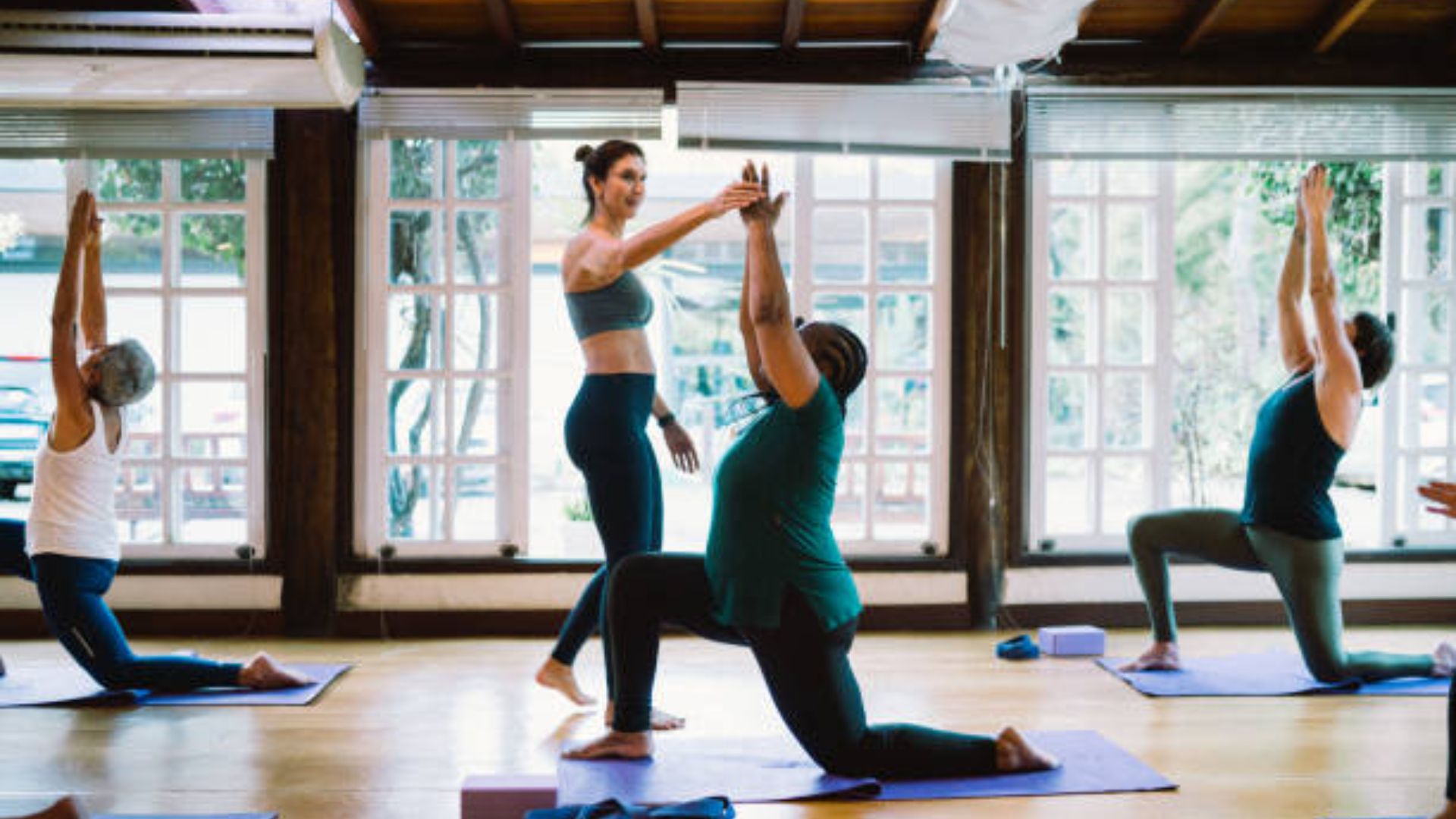
This is why it’s crucial to find healthy ways to release the energy that doesn’t get expressed in the moment. Move your body. Stretch your neck. Write in your journal. Talk to a trusted friend. Scream into a pillow if you need to.
Your nervous system needs to discharge the activation that comes with conflict, even when you handle the conflict gracefully. Taking care of your body after practicing restraint isn’t optional—it’s essential maintenance for someone who chooses to respond rather than react.
The Question of Self-Respect
Sometimes being the bigger person can feel like you’re prioritizing other people’s comfort over your own dignity. This is where discernment becomes crucial. Ask yourself:
- Is this a one-time incident with someone who’s usually reasonable, or a pattern with someone who consistently disrespects boundaries?
- Will addressing this directly lead to productive change, or just more drama?
- Am I choosing restraint from strength or from fear of conflict?
- What would self-respect look like in this particular situation?
Sometimes self-respect means walking away without engaging. Sometimes it means having a difficult conversation. Sometimes it means ending a relationship that consistently requires you to be the bigger person.
The Lunar Wisdom of Release
Like the waning crescent moon that dims to make space for something new, there are times when being the bigger person means letting things fade rather than forcing resolution. Not every conflict needs to be resolved. Not every slight needs to be addressed. Not every person deserves access to your energy.
Sometimes the most powerful thing you can do is simply let something end without fanfare, without explanation, without the satisfaction of having the last word. This kind of release requires a different kind of strength—the strength to let go rather than to fight.
Building the World You Want to Live In
Every time you choose patience over reaction, compassion over cruelty, or silence over retaliation, you’re casting a vote for the kind of world you want to live in. You’re modeling emotional regulation in a culture that often rewards reactivity. You’re showing that it’s possible to be strong without being aggressive, to maintain boundaries without being cruel.
This doesn’t mean you have to be the bigger person in every situation. Sometimes standing up for yourself loudly and clearly is exactly what’s needed. But when you do choose restraint, recognize it for what it is: a radical act of self-determination in a world that profits from keeping people reactive and divided.
The Peace That Comes with Practice
Martin Luther King Jr. said, “Peace is not merely a distant goal that we seek, but a means by which we arrive at that goal.” Every time you choose calm over conflict, you’re not just avoiding a fight—you’re practicing peace. You’re arriving, little by little, at the person you want to be.
This practice gets easier over time, not because people stop being difficult, but because you develop confidence in your ability to handle difficult people without losing yourself in the process. You learn to trust that your worth doesn’t depend on other people’s behavior, and that your peace is more valuable than being right.
An Invitation to Conscious Choosing
This week, notice the moments when you’re tempted to react rather than respond. Feel the impulse to defend, correct, or retaliate. Then pause and ask yourself: “What would the person I’m becoming do in this situation?”
You don’t have to be perfect. You don’t have to be the bigger person every time. But when you do choose restraint, recognize it as the strength it is. Honor the quiet courage it takes to hold your ground without losing your composure.
Remember that how you respond to other people’s behavior is one of the few things in life you can actually control. Use that power wisely, not just for the sake of others, but for the sake of your own peace and integrity.
The world needs people who can stay calm in the storm, who can respond to cruelty with dignity, who can break cycles of reactivity with conscious choice. That’s not always easy work, but it’s always meaningful work.
And that grace you offer—even when it feels undeserved—has a way of circling back when you need it most.
If you’re ready to explore how to respond to difficult situations with more wisdom and less reactivity, while still honoring your own needs and boundaries, I’d love to support you in that journey. You can learn more about working together here.