
The Breath-Brain Connection: How Pranayama Affects Your Nervous System
Take a slow, conscious breath with me.
Feel it?
That pause—the softening, the slight drop in tension—that’s your nervous system responding in real time. This is the power of your breath. Ancient yogis knew it, and now neuroscience is catching up: the way you breathe shapes the way you think, feel, and show up in your life.
Breath as a Bridge: The Nervous System in Action
Pranayama, the yogic practice of conscious breathing, isn’t just about oxygen. It’s a doorway into the autonomic nervous system—the part of you that handles stress, rest, digestion, and even your mood.
When we breathe deeply and slowly, we activate the vagus nerve, a powerful communicator between the brain, heart, and gut. This triggers the parasympathetic response—our body’s natural “rest and restore” system. On the flip side, shallow, rapid breathing ramps up the sympathetic nervous system, flooding the body with adrenaline and preparing us for fight or flight.
Different Breaths, Different Brain States
Let’s explore a few pranayama techniques and how they affect the brain and body:
 Dirga Pranayama (Three-Part Breath)
Slowing your breath to 4–6 breaths per minute increases heart rate variability (HRV)—a sign of a resilient nervous system. It also lights up the prefrontal cortex, the part of your brain that governs decision-making, focus, and emotional regulation.
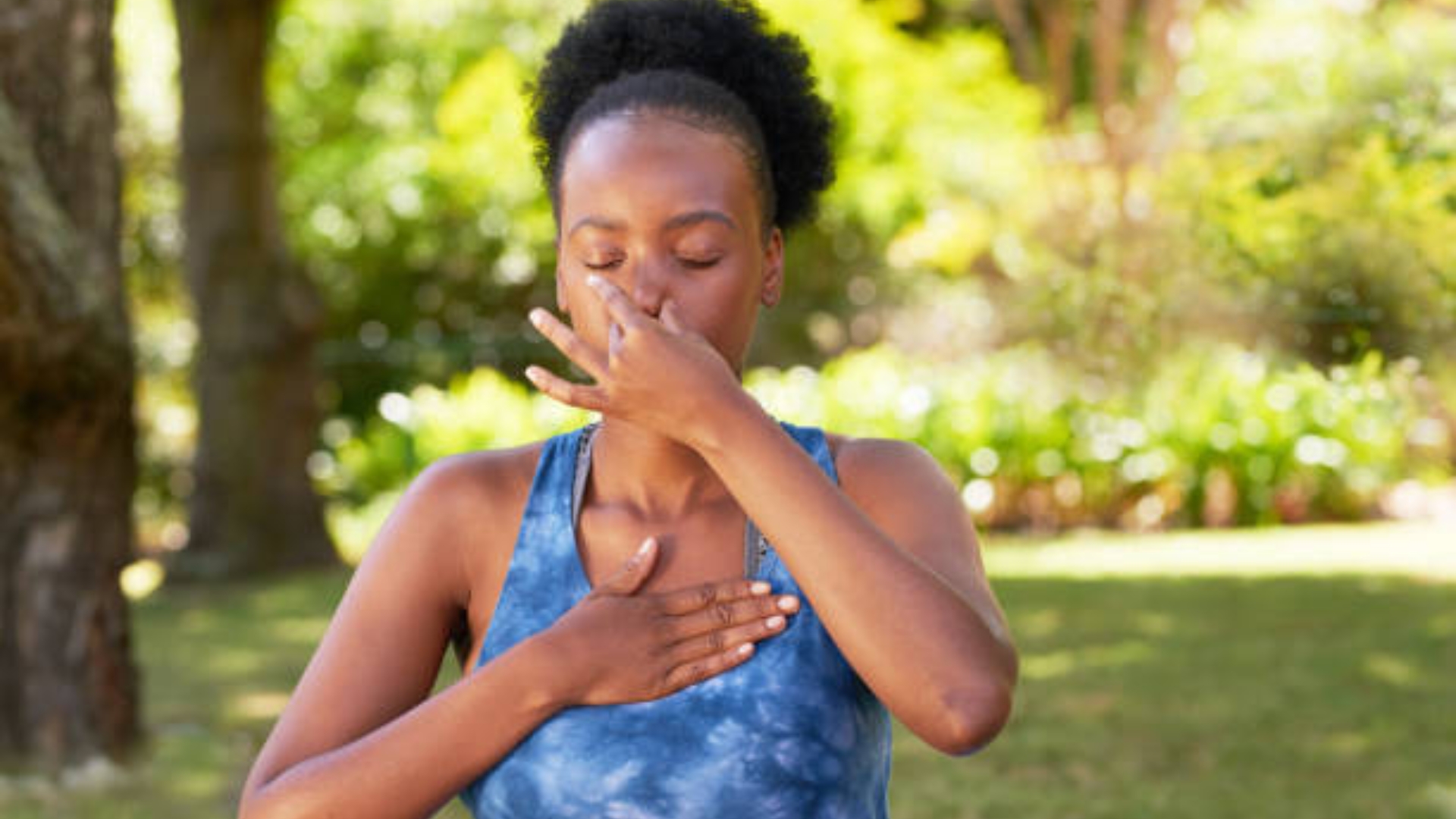
Nadi Shodhana (Alternate Nostril Breathing)
This balancing breath harmonizes the two hemispheres of the brain. Studies show a rise in alpha brain waves, linked to calmness and decreased anxiety. It’s also known to gently balance the sympathetic and parasympathetic systems.
Kumbhaka (Breath Retention)
Brief, gentle holds increase carbon dioxide (CO₂) in the bloodstream, which improves oxygen uptake and stress tolerance. The subtle challenge strengthens nervous system adaptability and supports cognitive function.
Sitali (Cooling Breath)
Inhaling through a curled tongue cools the system and may stimulate the hypothalamus, which regulates body temperature and hormonal rhythms. Many feel an instant sense of tranquility.
The Brain on Breath: Neurochemistry in Motion
Here’s what happens when you commit to regular pranayama:
-
Cortisol levels drop, reducing chronic stress
-
GABA production rises, calming overactive neurons
-
Serotonin levels stabilize, supporting mood
-
Endorphins increase, enhancing wellbeing
This isn’t just spiritual—it’s biochemical. Your breath rewires your brain.
Practical Breathing Prescriptions
Try these targeted pranayama techniques to meet the moment:
-
For anxiety relief: 4-7-8 breathing (inhale 4, hold 7, exhale 8) to shift into calm
-
For mental clarity: Bhastrika (bellows breath) for 1–2 minutes to energize and focus
-
For restful sleep: Chandra Bhedana (left nostril only) for 10 minutes before bed
-
For emotional balance: Daily Nadi Shodhana for 5–10 minutes for steadiness and ease
Your Breath is a Sacred Tool
You don’t need fancy gadgets or hours of meditation. Your breath is ancient technology, coded into your body, waiting for you to remember its wisdom.
So the next time your heart races, your mind spins, or the world feels too much—pause. Breathe consciously. You are not powerless. You hold the key to your nervous system in every inhale and exhale.
Want to learn how to regulate your nervous system, connect to your inner wisdom, and reclaim your peace? Book a private session or explore our programs at www.TheHeartCenteredBeing.com