
Trigger Words: The Hidden Emotional Buttons in Everyday Language
Words aren’t just tools—they’re emotional trigger words levers. In everyday life, we encounter language specifically designed to bypass logic and go straight to the heart. Whether we’re browsing a store aisle, reading a news headline, or talking with a loved one, certain words hit us hard—and often, we don’t even realize it.
The Anatomy of Emotional Triggers
Some words activate an emotional response the moment we hear them. Think about how you react to words like:
-
Free (excited urgency)
-
Danger (sudden alertness)
-
Exclusive (FOMO)
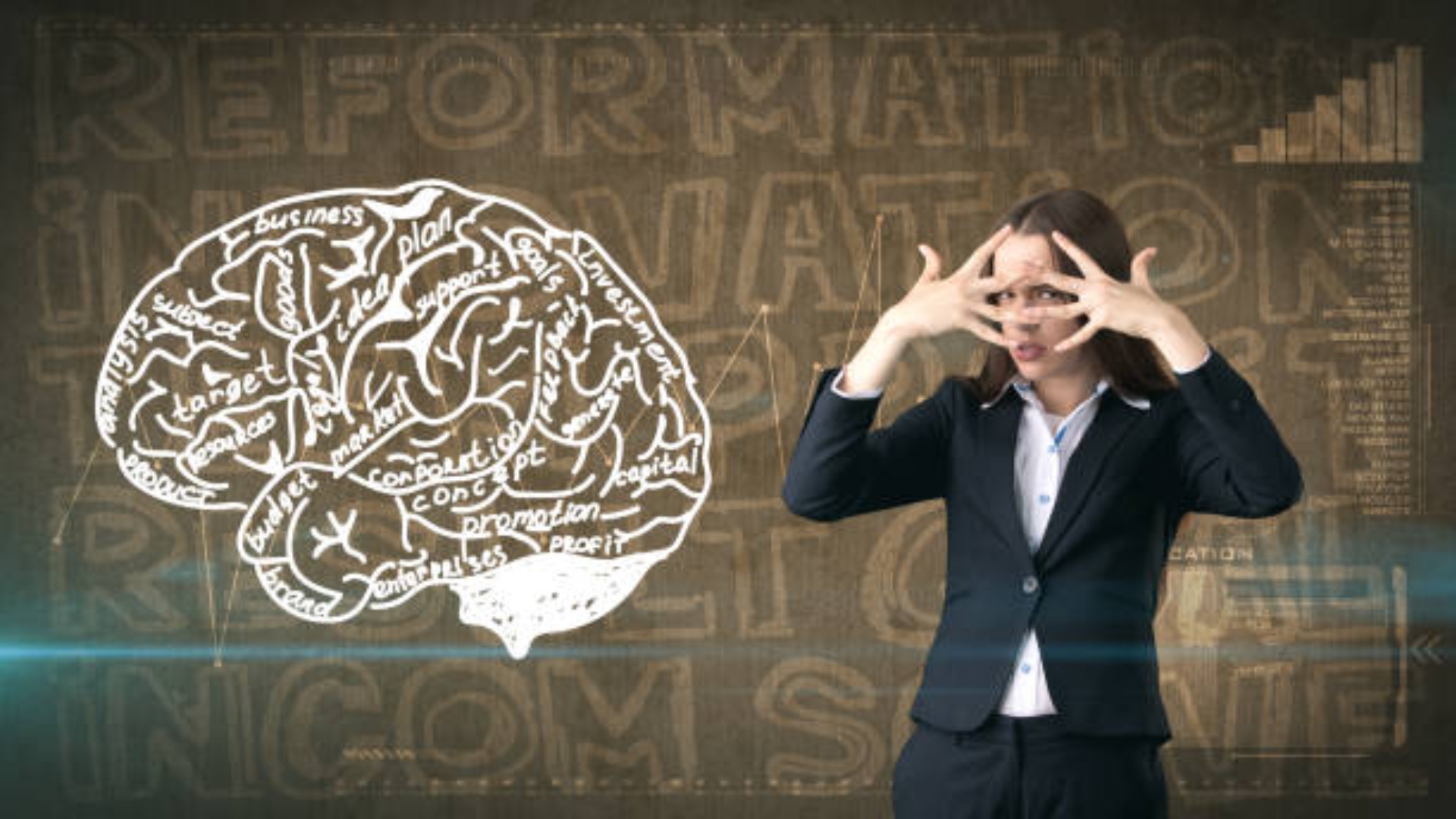
Neuroscience shows that emotionally charged words light up the amygdala—the brain’s fear and survival center—before the rational mind can weigh in. That’s why we sometimes feel before we think. A single word can stir joy, dread, desire, or defensiveness in less than a heartbeat.
Consider how different “house” feels from “home,” or “skinny” from “slender.” These subtle choices aren’t trivial—they shape our emotional experience.
How Marketing Uses Trigger Words to Sway You
Advertisers are masters at pressing our emotional buttons. Shelves overflow with products labeled:
-
Natural
-
Wholesome
-
Pure
-
Age-defying
-
Clinically proven
These phrases are designed to elicit trust, hope, urgency, or status. Whether or not the claims are valid, the emotional feeling is what sells.
Online, it’s the same game:
-
“Only 3 left in stock!”
-
“17 people are viewing this item”
-
“Don’t miss out!”
Even terms like gold or platinum membership subtly boost perceived value. Language around quality and scarcity plays directly to our core desires: to feel special, secure, and included.
Political Language: Trigger Words as Weapons
In politics, emotional language becomes strategic warfare.
For example:
-
“Tax burden” vs. “tax contribution”
-
“Invasion” vs. “migration”
-
“Handout” vs. “support”
One word can flip your perception of an entire policy. Emotional triggers like freedom, family values, and radical aren’t just slogans—they’re framing devices that manipulate emotional landscapes.
And it works. Repeated exposure to emotionally charged terms (like “job-killing regulations” or “common-sense reform”) creates neurological grooves. We begin to associate certain ideas with emotions, bypassing analysis altogether.
Building Awareness: Your Shield Against Manipulation
Want to break the spell? Try these tools:
-
Notice your reaction. When a word stirs emotion, pause and ask: What am I feeling? Why?
-
Translate to neutral language. What would “revolutionary formula” sound like stripped of buzzwords?
-
Look at the intent. Is this language meant to inform—or manipulate?
Recognizing that someone benefits from your emotional reaction helps you pause before you buy, vote, or agree.
The Power of Conscious Communication
This isn’t just about defense—it’s about choice.
When we become aware of the emotional weight our words carry, we can:
-
Speak with clarity instead of coercion
-
Inspire instead of intimidate
-
Encourage action without creating fear
We can also shift our inner dialogue—replacing words like “failure” with “lesson,” or “never” with “not yet.” The stories we tell ourselves shape the lives we lead.
Final Thought
Words shape feelings, but awareness shapes how we respond. In a world filled with emotional manipulation, becoming mindful of language is more than intelligence—it’s liberation.
Next time you feel the emotional pull of a phrase, ask yourself: Who benefits from me feeling this way? And what do I choose to believe instead?
Call to Action
Want to explore how language affects your relationships, emotions, and personal growth? Book a session or learn more at
www.TheHeartCenteredBeing.com