

I Tried ‘The Body Keeps the Score’ Exercises for 30 Days—Here’s What Changed
For years, I lived mostly from the neck up—disconnected from my body, caught in cycles of anxiety, and constantly trying to “figure it all out” with my mind. But the body doesn’t respond to logic alone, and no amount of mindset work was reaching the root of my inner unrest. Then I picked up The Body Keeps the Score Exercises by Dr. Bessel van der Kolk—and what started as casual reading turned into a transformative 30-day somatic healing journey.
I didn’t expect much. But what unfolded, day by day, was subtle, deep, and life-altering.
Week 1: Resistance and Restlessness
I began with the foundational practices: breath awareness and body scans. Sounds simple, right? It wasn’t. My mind raced. My limbs felt twitchy. I constantly wanted to escape.
Van der Kolk explains this beautifully: the body resists stillness when it’s been locked in hypervigilance. I wasn’t just uncomfortable—I was unpracticed at being present.
By the end of the week, I could sit for ten full minutes without picking up my phone. That felt like a miracle.
Week 2: The Tears I Didn’t Know I Had
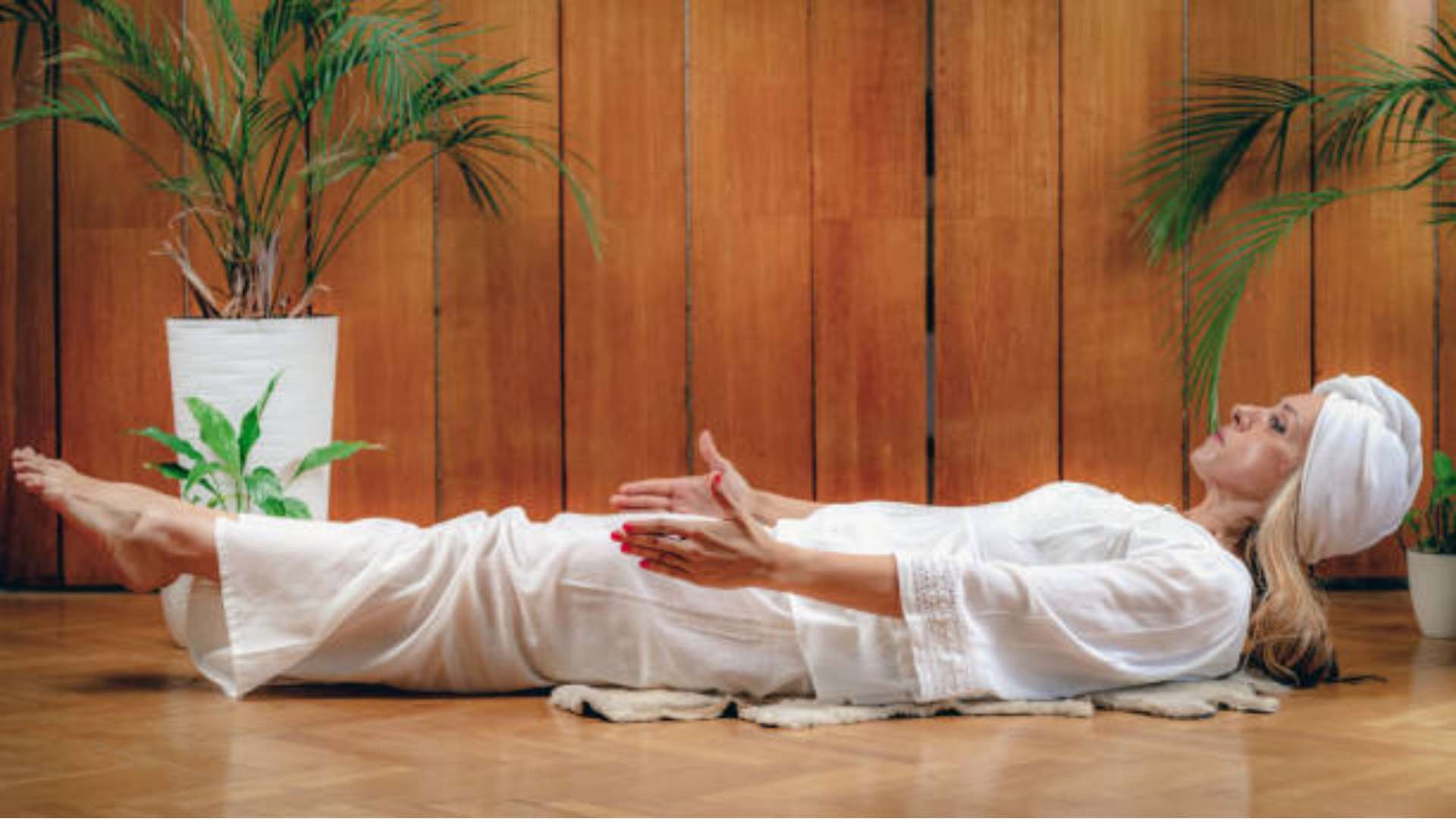
During a Yoga Nidra session—just one of the body-centered modalities recommended in the book—I felt a wave of emotion surface in my chest. Without warning, I cried. Quietly. No dramatic sobbing, just silent tears from somewhere deep.
It hit me then: I had armored myself against feeling. Crying wasn’t weakness. It was release. And for the first time in a long time, I felt lighter.
Week 3: Rediscovering Joy Through Movement
I started integrating rhythmic movement and dance (as explored in Chapter 16), and yes—it felt awkward at first. But on Day 18, I reached what van der Kolk calls a flow state. I danced freely, without self-consciousness. Ten minutes passed, and I realized I was smiling.
My shoulders softened. My sleep deepened. I felt safe enough to rest.
Week 4: The Social Engagement System Awakens
The final week focused on something even more vulnerable—connection. Eye contact. Co-regulation. I practiced the “soft gaze” and slow breath technique from Chapter 20.
Here’s what changed:
I spoke up in meetings instead of rehearsing silently and staying quiet.
My voice sounded different—deeper, more grounded.
I could hold eye contact without my chest tightening.
My nervous system was finally learning that connection didn’t have to equal danger.
The Real Impact
This wasn’t some magic reset. It was a gradual reintroduction to my own body. A reclamation of safety and self-trust.
Over the course of 30 days:
My jaw unclenched. My stomach relaxed.
I noticed emotions in my body before they became overwhelming.
I slept more soundly. The nightmares subsided.
I stopped dissociating during conflict.
I stopped blaming myself for being “too sensitive” and started understanding my triggers.
Most importantly, I began feeling safe—in my skin, not just in my head.
What I Wish I’d Known Before Starting
These practices don’t look like much from the outside. But inside, they stir deep currents. They aren’t always comfortable—but they are real. This isn’t about fixing or curing. It’s about remembering who you were before the disconnect. Before the shutdown. Before your Body Keeps the Score exercises stopped feeling like home.
So if you’re ready to begin, start small. Five minutes a day. Pick one practice. And remember: consistency over intensity. Your body doesn’t need to be pushed—it needs to be invited.
Ready to Reconnect With Your Body?
If you’ve been longing to feel safer in your body and more present in your life, I invite you to explore somatic coaching, breathwork, and trauma-informed integration sessions with me.
Book your first session or learn more at www.TheHeartCenteredBeing.com
Let’s help you feel at home—again.