The Truth About Reflexology: What Science Really Says
Science Behind Reflexology is one of those practices that stirs both curiosity and skepticism. Maybe you’ve heard someone say a good foot rub can heal your liver, or perhaps you’ve experienced a sense of calm and balance after a session yourself. But what’s myth, and what’s measurable? Let’s explore the truth about reflexology—what it is, how it might work, and what science actually says.
What Is Reflexology?
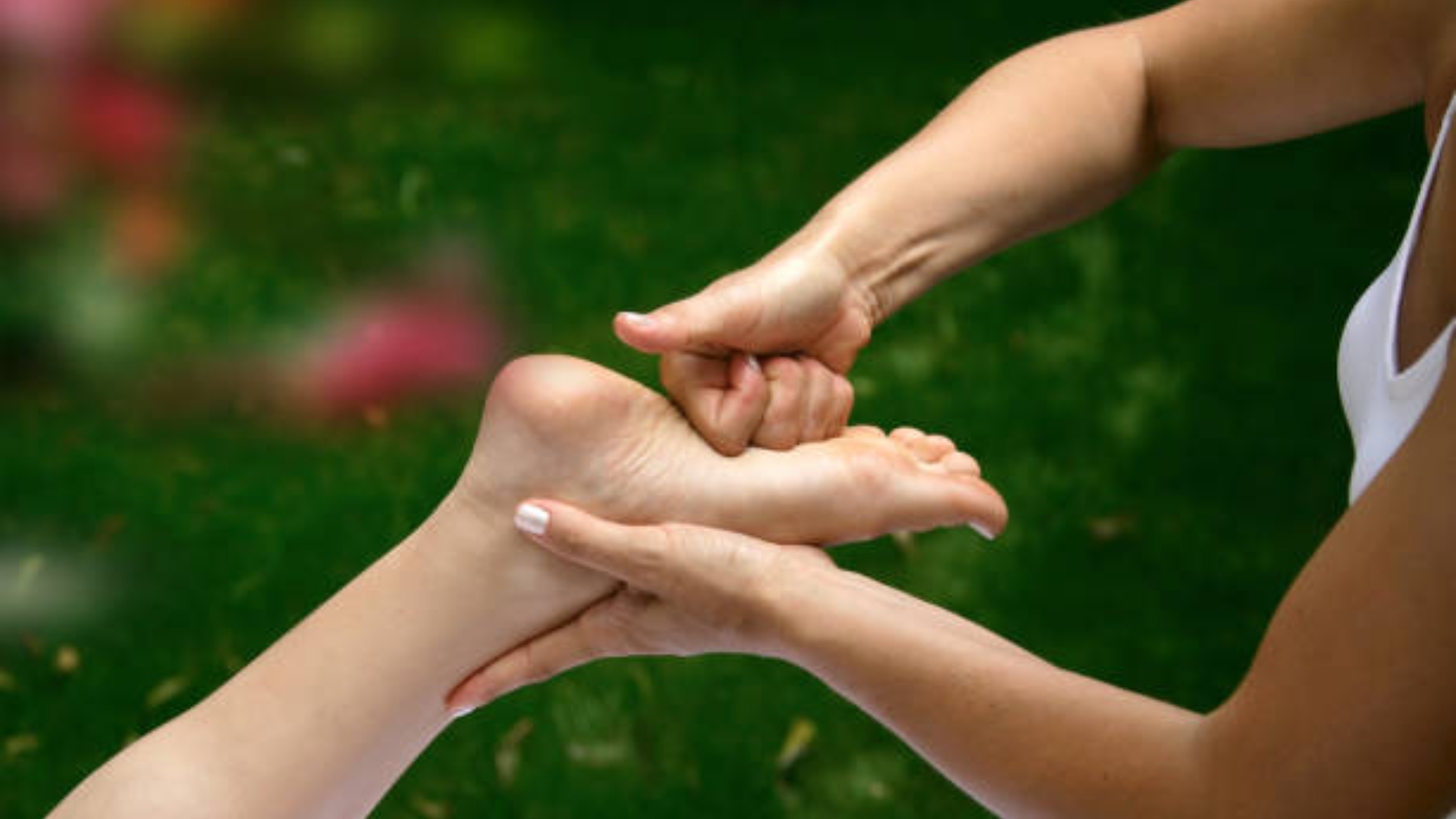
At its core, reflexology is the art of applying gentle pressure to specific points on the feet, hands, or ears. These points are believed to mirror different organs and systems in the body. Practitioners use touch to stimulate the body’s own healing response, inviting relaxation, balance, and circulation.
But reflexology isn’t just a modern wellness trend—it has ancient roots, appearing in Egyptian and Chinese medical texts that date back thousands of years.
How Might It Work?
Several theories have been proposed to explain reflexology’s effects:
- Zone Theory: The body is divided into ten vertical zones, each linked to specific areas of the feet or hands.
- Energy Pathways: Like acupuncture, reflexology may influence the flow of vital energy (known as qi or prana).
- Neurological Response: Stimulating nerve endings might send signals through the nervous system to organs or muscles.
- Gate Control Theory: This pain theory suggests that stimulating large nerve fibers may “close the gate” to pain signals reaching the brain.
While these ideas are largely theoretical, they offer a framework for understanding why so many people report feeling better after a session.
What the Research Tells Us
Science has begun to catch up—slowly. While reflexology doesn’t claim a cure-all status, studies suggest some promising benefits:
Where Reflexology Seems to Help
- Stress and Anxiety: Repeated studies show reflexology can calm the nervous system and reduce cortisol levels. In short: it helps you relax.
- Pain Relief: Particularly for women during pregnancy, menstruation, or cancer treatment, reflexology may offer mild pain relief.
- Quality of Life: Patients undergoing medical treatments report better sleep, improved mood, and less tension after reflexology sessions.
Where the Evidence Falls Short
- Organ Function: There’s no solid proof that pressing a point on your foot will directly influence your kidney or heart function.
- Detox Claims: The idea that reflexology flushes toxins lacks measurable evidence.
- Curing Illness: Reflexology can support healing, but it’s not a standalone treatment for disease.
The Power of Relaxation (And Why That’s Enough)
What we can say with confidence is this: reflexology helps people relax. And that matters.
Relaxation supports:
- Lower blood pressure and heart rate
- Improved sleep
- Better mood and emotional regulation
- Decreased muscle tension
In a world where chronic stress is at the root of so many conditions, that’s no small thing.
Human Touch, Expectation, and Intention
Let’s not forget something else science supports—the power of touch and belief. Whether it’s the presence of a compassionate practitioner or the simple act of setting time aside for yourself, these elements amplify healing.
Even if part of the benefit comes from the placebo effect or the therapeutic nature of being cared for, those are still valid and deeply human experiences.
So… Is Reflexology Legit?
Yes—and no. Reflexology may not “detox your liver” or cure your chronic illness, but it can be a beautiful, supportive companion on your healing journey. It’s not a substitute for medical care, but when combined with other practices, it may help you feel more centered, at ease, and connected to your body.
If you’ve been curious about reflexology, it’s worth exploring—especially when practiced by someone who understands it as a sacred, heart-centered art of care.
Ready to explore more healing touch practices rooted in Tantra and body awareness?
Book a session or learn more at www.TheHeartCenteredBeing.com