Soundtrack to Serenity: How Specific Sound Frequencies Reduce Stress in Minutes
In an age of nonstop notifications and never-ending to-do lists, finding moments of calm can feel nearly impossible. Meditation apps, breathing exercises, and guided imagery all have their place—but what if you could lower your stress in just minutes by simply pressing play?
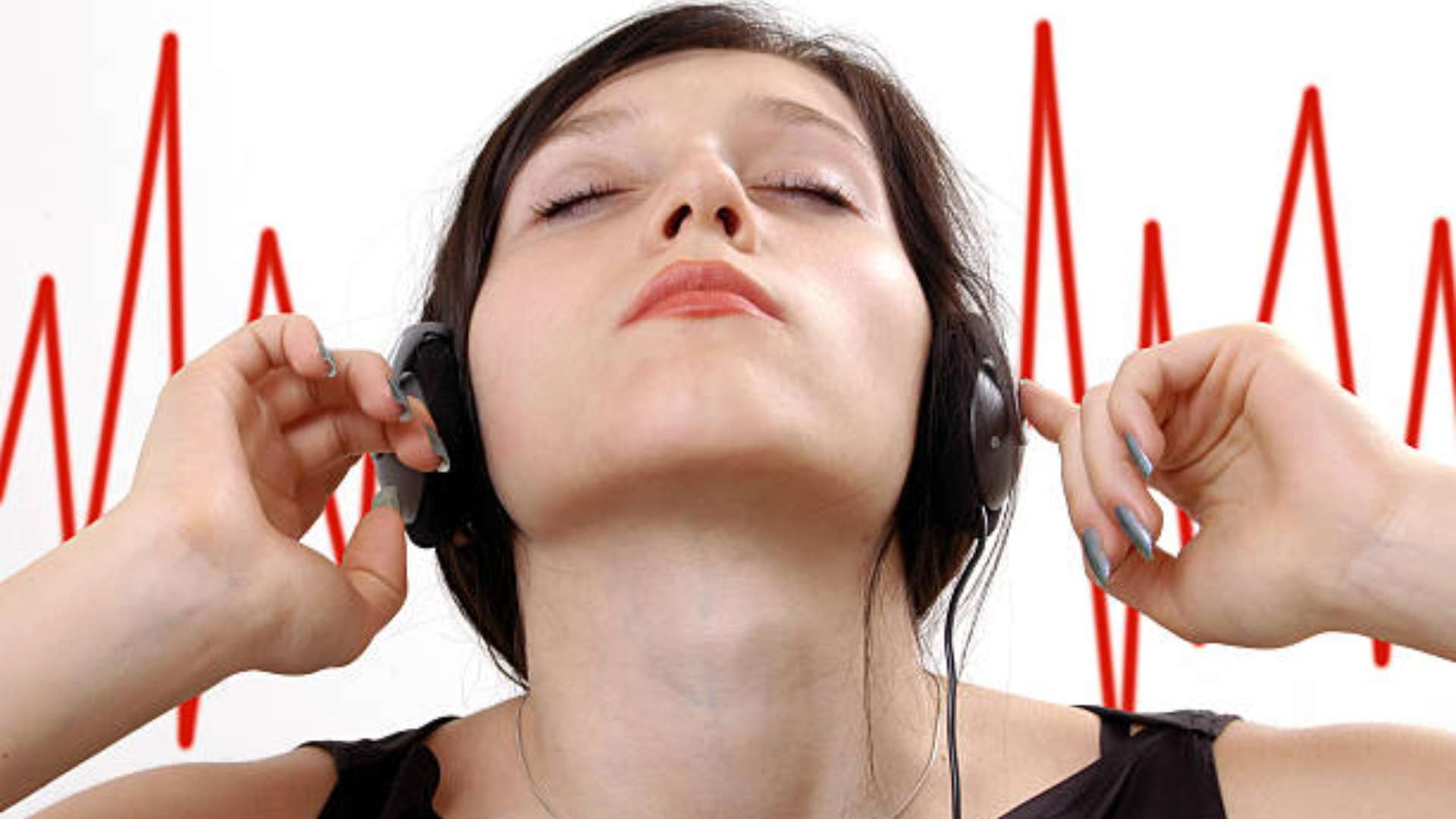
Science is beginning to confirm what ancient cultures have long known: sound is medicine. And certain sound frequencies stress relief may offer the nervous system a shortcut to serenity.
The Science of Sound Therapy
When we’re stressed, our brains tend to operate in high beta frequencies—anywhere from 15 to 38 Hz. This is the state of alertness, problem-solving, and, unfortunately, anxiety.
But the brain doesn’t stay locked into one frequency. With the right stimulation, we can guide it into more relaxed and restorative states:
-
Alpha waves (8–12 Hz): Calm focus, meditation, and light relaxation
-
Theta waves (4–8 Hz): Deep meditation, creative flow, REM sleep
-
Delta waves (0.5–4 Hz): Deep sleep, cellular repair, unconscious states
“Sound doesn’t just travel through our ears,” says Dr. Maya Sheridan, neuroscientist and sound therapy researcher. “It resonates through our bones, tissues, and nervous system.
Specific frequencies have the power to regulate the entire body.”
The 432 Hz Revolution
One frequency generating significant attention is 432 Hz, sometimes called “the natural tuning.” While most modern music is tuned to A=440 Hz, advocates of 432 Hz believe it aligns more closely with the patterns and ratios found in nature, mathematics, and the human body.
A 2019 study published in the Journal of Behavioral Neuroscience found that music tuned to 432 Hz resulted in lower heart rates and cortisol levels—the body’s primary stress hormone—compared to identical music tuned to 440 Hz. The shift was noticeable after just 10 minutes of listening.
Binaural Beats: Aligning Brainwaves with Sound
Another popular sound therapy method is the use of binaural beats. This technique plays two slightly different frequencies into each ear—for example, 200 Hz in one and 210 Hz in the other.
Your brain interprets the difference—10 Hz—as a third tone, one that doesn’t exist externally but is generated internally by your brain. As your brain synchronizes with that 10 Hz frequency, it begins to mirror a relaxed alpha wave state.
Studies show binaural beats can help with:
-
Reducing anxiety
-
Improving concentration
-
Enhancing sleep quality
-
Deepening meditation practice
It’s an elegant solution: using your brain’s own neuroplasticity to tune itself.
How to Use Sound for Stress Relief Today
You don’t need a sound engineer or expensive equipment to experience the benefits of sound therapy. Here are three accessible options you can try immediately:
1. Solfeggio Frequencies
These ancient tones—each with specific energetic purposes—have been used in spiritual traditions for centuries. Some notable frequencies:
-
396 Hz: For releasing fear and guilt
-
528 Hz: Known for transformation and DNA repair
-
639 Hz: For relationship healing and connection
Search for these tones on YouTube or your favorite streaming platform. Let them play softly in the background while you journal, stretch, or simply breathe.
2. Nature Sounds
Our brains naturally respond to the rhythms of nature. Ocean waves, waterfalls, rainfall—all have frequencies between 4 and 10 Hz, effortlessly guiding the mind into theta and alpha states. These sounds are especially effective for winding down at night or creating a peaceful work environment.
3. Tibetan Singing Bowls
When played correctly, singing bowls emit overlapping harmonics that produce complex, meditative tones. Several studies have shown their ability to lower blood pressure and reduce heart rate in as little as five minutes. Their physical vibration also offers somatic benefits—gently recalibrating the body and energy field.
Why Sound Works So Fast
What makes sound therapy so effective—often in minutes—is that it doesn’t rely on willpower. You don’t have to try to relax. There’s no struggle to “clear your mind” or sit still.
You simply listen. The vibration does the rest.
As Dr. Sheridan notes:
“Sound therapy isn’t wishful thinking or alternative fluff. It’s a precise, nervous-system-calibrating tool that’s showing up in more clinical studies every year. It’s accessible, immediate, and often more effective than techniques that require effort or discipline.”
Your Soundtrack to Peace
If you’ve been feeling overstimulated, anxious, or disconnected, you’re not alone—and it’s not your fault. But the solution might be closer (and simpler) than you think.
Try a 10-minute sound journey tonight.
Let the tones do what talking can’t.
Let the resonance touch the places that words never reach.
Call to Action
At The Heart Centered Being, we guide individuals through a grounded, science-backed journey into deeper presence, peace, and embodiment. If you’re curious to explore sound healing, somatic awareness, or one-on-one support, visit:
Let’s find your still point—together.