
Somatic Approaches to Healing Racial Trauma and Cultural Wounds
In today’s evolving landscape of trauma therapy, somatic healing racial trauma approaches are emerging as some of the most potent tools for addressing wounds that go far beyond individual experience—specifically, the deep-rooted impacts of racial trauma and cultural oppression. These body-centered healing modalities recognize what many communities of color have always known: trauma doesn’t just live in our memories or minds—it lives in our bodies, and often travels through generations.
Racial Trauma Lives in the Body
“The body keeps the score of our racialized experiences,” says Dr. Resmaa Menakem, somatic therapist and author of My Grandmother’s Hands. “Racial trauma doesn’t just affect our thinking—it creates a particular signature in our nervous systems, one that can be passed down through generations.”
This recognition marks a crucial shift in trauma treatment. While traditional therapy often focuses on thoughts and beliefs, somatic approaches acknowledge that racial trauma—including experiences of discrimination, microaggressions, and systemic injustice—can create physiological patterns that don’t resolve through talk alone.
“When someone experiences racism, their body enters a stress response,” explains Dr. Jennifer Kim, a somatic practitioner specializing in cultural trauma. “Over time, those stress responses become embodied—tension in the chest, shallow breathing, chronic vigilance. Talking about it isn’t enough to release it.”
The Intergenerational Transmission of Trauma
One of the most profound insights of somatic work is its recognition of intergenerational trauma—a truth long understood by Indigenous, Black, and immigrant communities.
“Our ancestors’ pain doesn’t just live in family stories,” shares Rebeca Martinez, a somatic experiencing practitioner. “Epigenetic research shows that trauma can affect gene expression. But even before science gave it language, our people knew—we carry our grandparents’ wounds in our bones.”
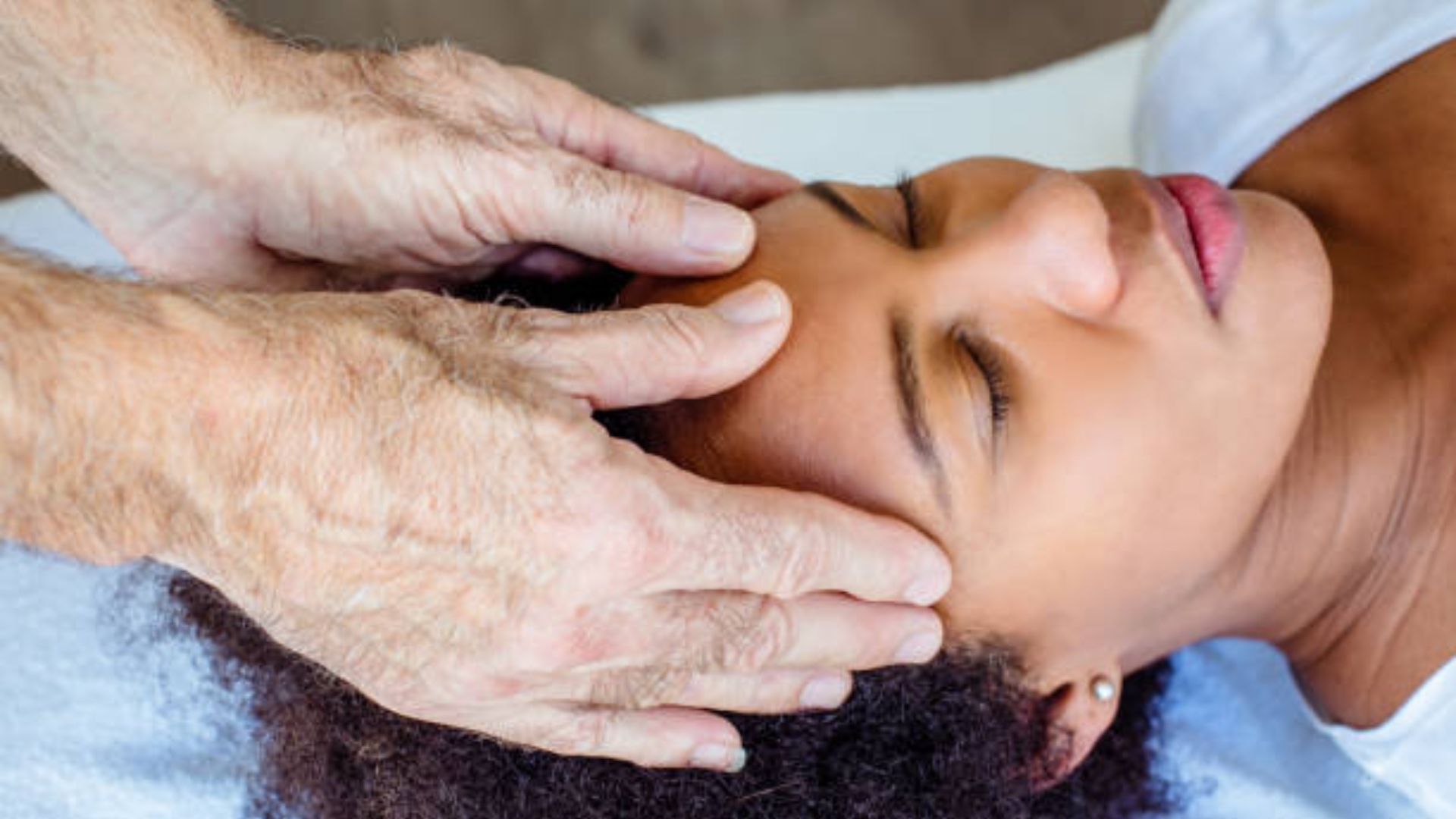
Somatic healing helps interrupt these inherited patterns. Through gentle awareness, breathwork, touch, and movement, individuals can begin to release the grip of the past from their nervous systems.
Honoring Culture in Somatic Healing
Though powerful, traditional somatic therapy often stems from Eurocentric frameworks. Today, many practitioners of color are decolonizing these modalities—blending somatic principles with ancestral wisdom and cultural practices.
“I weave traditional Mexican curanderismo with somatic experiencing,” says Elena Avila, a practitioner in New Mexico. “When clients reclaim the healing ways of their ancestors, the body lights up. It knows that wisdom. It remembers.”
Culturally-responsive somatic approaches include:
-
Ancestral movement – dance, martial arts, or ritual movement that reawakens lineage resilience
-
Breathwork from cultural traditions – such as pranayama, qigong, or Indigenous practices of breath as prayer
-
Community-based healing – circles, ceremonies, and group processes that move beyond the isolating model of individual therapy
Somatics as a Pathway to Collective Liberation
What makes somatic healing revolutionary is its collective potential. This work isn’t just about individual regulation—it’s about disrupting the physiological imprints of generational harm that shape how we relate, lead, and live together.
“Healing racial trauma is a collective act,” says Dr. Shawn Ginwright, a leader in healing-centered engagement. “When we regulate our nervous systems in community, we’re not just healing ourselves—we’re shifting what’s possible between us.”
Group somatic practices create spaces where grief can be witnessed, ancestral resilience can be restored, and new patterns of connection can be embodied. This is the groundwork for deeper justice and true belonging.
Facing Challenges and Moving Forward
Despite their promise, somatic approaches to healing racial trauma are not without challenges. Access remains a significant issue—many communities of color lack therapists who look like them or understand their cultural context. And somatic safety can’t be created in a vacuum.
“Somatic safety isn’t just about a calm room or soothing music,” says trauma-informed yoga teacher Mai Nguyen. “It’s about acknowledging that racism is ongoing. Healing has to happen while we’re still in systems that can harm us.”
For somatic work to meet the moment, it must include:
-
More training opportunities for BIPOC practitioners
-
Greater inclusion of ancestral and cultural practices
-
Ongoing dialogue between healing and activism
Returning to Wholeness
Somatic healing offers more than relief—it offers reconnection.
“Our bodies carry not just our pain, but our ancestors’ wisdom,” says Dr. Menakem. “Somatic work helps us access both. It helps us return to ourselves—whole, rooted, and free.”
Call to Action:
If you’re curious about how somatic and ancestral practices can support your healing or your community’s, I invite you to join me at one of our upcoming moon gatherings or workshops. These spaces are sacred containers for embodiment, emotional release, and radical reconnection—where we remember together.
Visit www.TheHeartCenteredBeing.com to explore upcoming events and learn how we can walk this path of liberation—through the body, and beyond.