

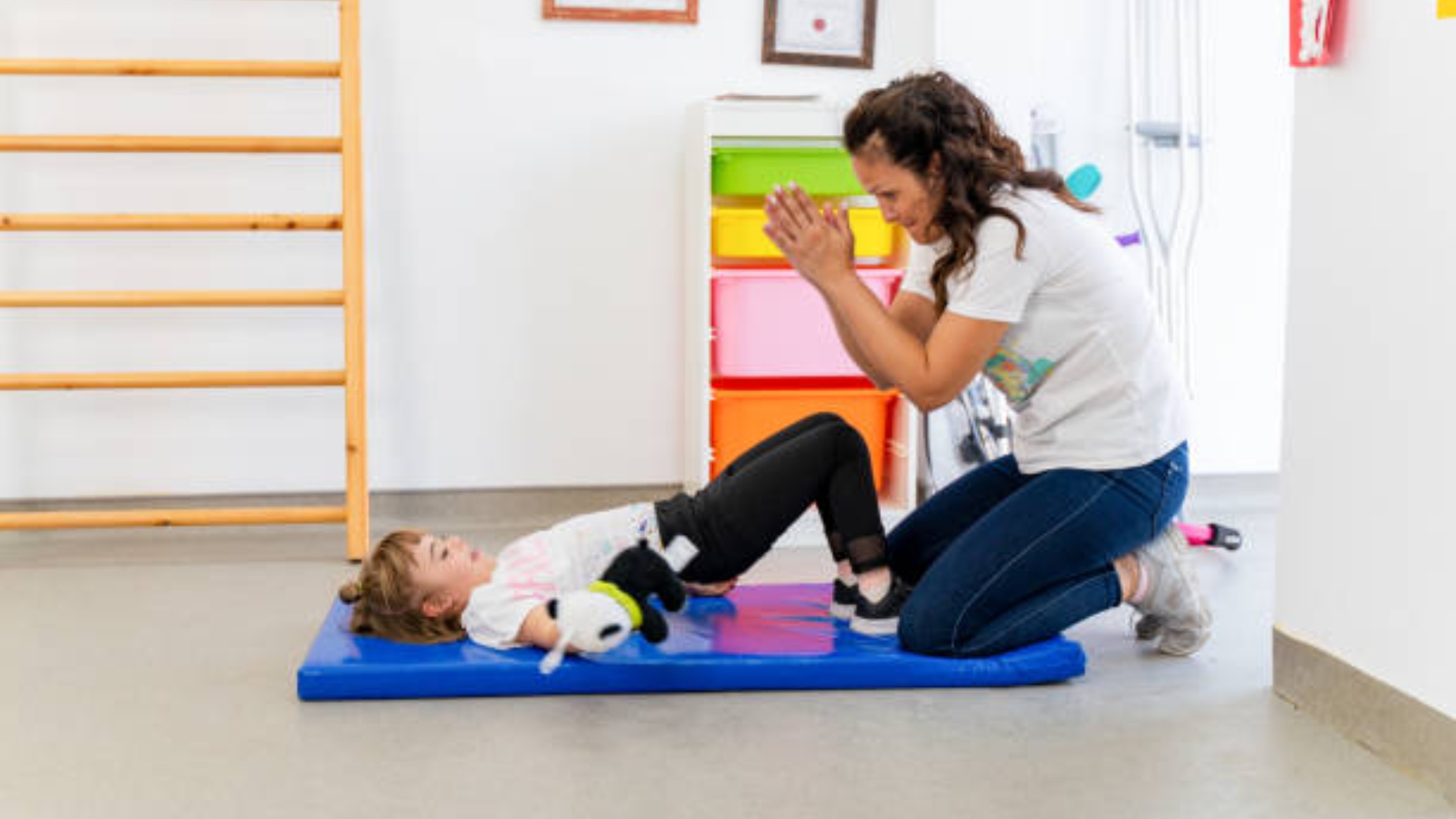
Movement as Medicine: How Exercise Boosts ADHD Executive Function
For those of us with ADHD, the advice to “just try harder” often falls flat. It’s like telling someone with a broken leg to sprint—or someone nearsighted to squint harder and call it vision. But what if there was a tool that could rewire the brain—not in theory, but through tangible, measurable impact?
That tool is movement. Not just general exercise, but specific types of physical activity shown by research to enhance the executive function ADHD tends to disrupt: working memory, cognitive flexibility, and inhibition.
Let’s explore how movement becomes medicine for the ADHD brain.
Why Movement Works: The Neuroscience of Exercise and ADHD
When you move your body, you’re doing more than getting oxygen to your brain—you’re triggering a cascade of neurochemical benefits. Physical activity increases dopamine, norepinephrine, and serotonin: the same neurotransmitters that ADHD medications like Ritalin and Adderall target.
According to Dr. John Ratey, author of Spark: The Revolutionary New Science of Exercise and the Brain, exercise is “medication in motion.” It not only boosts neurotransmitter levels but also supports neuroplasticity—helping your brain form new, healthier pathways for executive functioning.
A 2019 meta-analysis published in Sports Medicine found that physical activity improved executive function in children with ADHD to a degree comparable to stimulant medication. That’s a game-changer.
Not All Exercise Is Created Equal
1. Complex Motor Skills: The Brain’s Favorite Workout
Activities that require coordination, memory, and strategic thinking are the most effective. Martial arts, tennis, rock climbing, dance—these challenge multiple brain systems at once.
A 2016 study in Medicine & Science in Sports & Exercise showed that kids in martial arts programs saw greater executive function gains than kids doing simple aerobic activity.
Why? These activities demand:
-
Quick decision-making under pressure
-
Switching between mental states
-
Memorizing sequences
-
Regulating emotions in real time
This is a full-brain workout—not just movement for movement’s sake.
2. High-Intensity Interval Training (HIIT): The Focus Booster
ADHD brains love novelty and intensity. HIIT taps into that beautifully. Short bursts of vigorous activity followed by rest closely mimic how ADHD brains naturally operate—in focused sprints, not steady marathons.
A study from the University of Granada found that just 20 minutes of HIIT improved attention and processing speed in adults with ADHD for nearly an hour afterward.
3. Mindful Movement: The Emotional Reset Button
Slower, intentional practices like yoga, tai chi, and qigong may seem counterintuitive for ADHD, but research shows otherwise. A 2018 study in Complementary Therapies in Medicine found that adults who practiced yoga twice a week had reduced impulsivity and improved emotional regulation.
Why? These practices enhance interoception—awareness of internal body cues. When you can feel your body’s stress signals sooner, you can respond before emotional reactivity takes over.
Timing Is Everything: When to Move for Maximum Focus
-
Morning Movement: A 30-minute workout early in the day can boost attention and reduce hyperactivity for 2–4 hours.
-
Pre-Task Sprints: A quick 10-minute workout before studying or meetings improves cognitive flexibility and working memory.
-
Afternoon Reset: A short walk or dance break at 3 PM can recharge attention when ADHD fatigue tends to hit hardest.
ADHD Brain Hack: How to Make Exercise Stick
Let’s be real—creating a workout routine requires planning, initiation, and follow-through… which ADHD disrupts by nature. Here’s how to work with your brain:
 Stack Your Habits
Pair movement with something you already do:
-
10 squats while brushing your teeth
-
Jumping jacks while your coffee brews
 Gamify It
Apps like Zombies, Run! or Ring Fit Adventure create engaging narratives and immediate rewards—perfect for novelty-seeking ADHD brains.
 Body Double Your Workouts
Join a class, partner with a friend, or follow a YouTube video. External accountability supports internal structure.
 Track How You Feel
Instead of logging calories or reps, track mood, focus, and emotional regulation. Let your why be what keeps you moving.
The Bottom Line
Movement isn’t just good for ADHD—it’s essential. You don’t have to wait weeks to feel the results. Even a few minutes of physical activity can unlock clarity, focus, and calm. And over time, the brain begins to rebuild itself—creating long-lasting change from the inside out.
Start small. Follow your joy. And remember: perfection isn’t the goal—progress is.
This isn’t just fitness. This is medicine in motion.
Call to Action
Want more tools like this to support your ADHD journey naturally? Book a clarity session or explore upcoming workshops at
www.TheHeartCenteredBeing.com
Let’s rewire your world—one mindful movement at a time.