Moon Rituals Across Cultures: Honoring the Cycles of the Sacred Sky
There’s something ancient in us that still looks up at the Moon rituals and feels a pull—something beyond words. Across every continent and era, people have gathered under her light, whispered prayers, danced in circles, and tracked her phases like sacred instructions from the cosmos.
As someone who holds moon ceremonies twice a month, I often reflect on how these practices aren’t just “new age”—they’re timeless. Humanity has always followed the moon. And no matter how modern we become, our souls remember.
Ancient Echoes: How Our Ancestors Honored the Moon
In Egypt, they called him Khonsu—a lunar god linked to fertility and timekeeping. Priests would perform elaborate rituals under the full moon, calling in blessings for the Nile’s flooding, a sacred event that brought life to the desert.
Across the ocean, the Maya had a lunar calendar so precise it could rival modern astronomers. They honored Ix Chel, the moon goddess of fertility and weaving, with offerings of cocoa and maize, especially during the new moon—a time for planting dreams and asking for abundance.
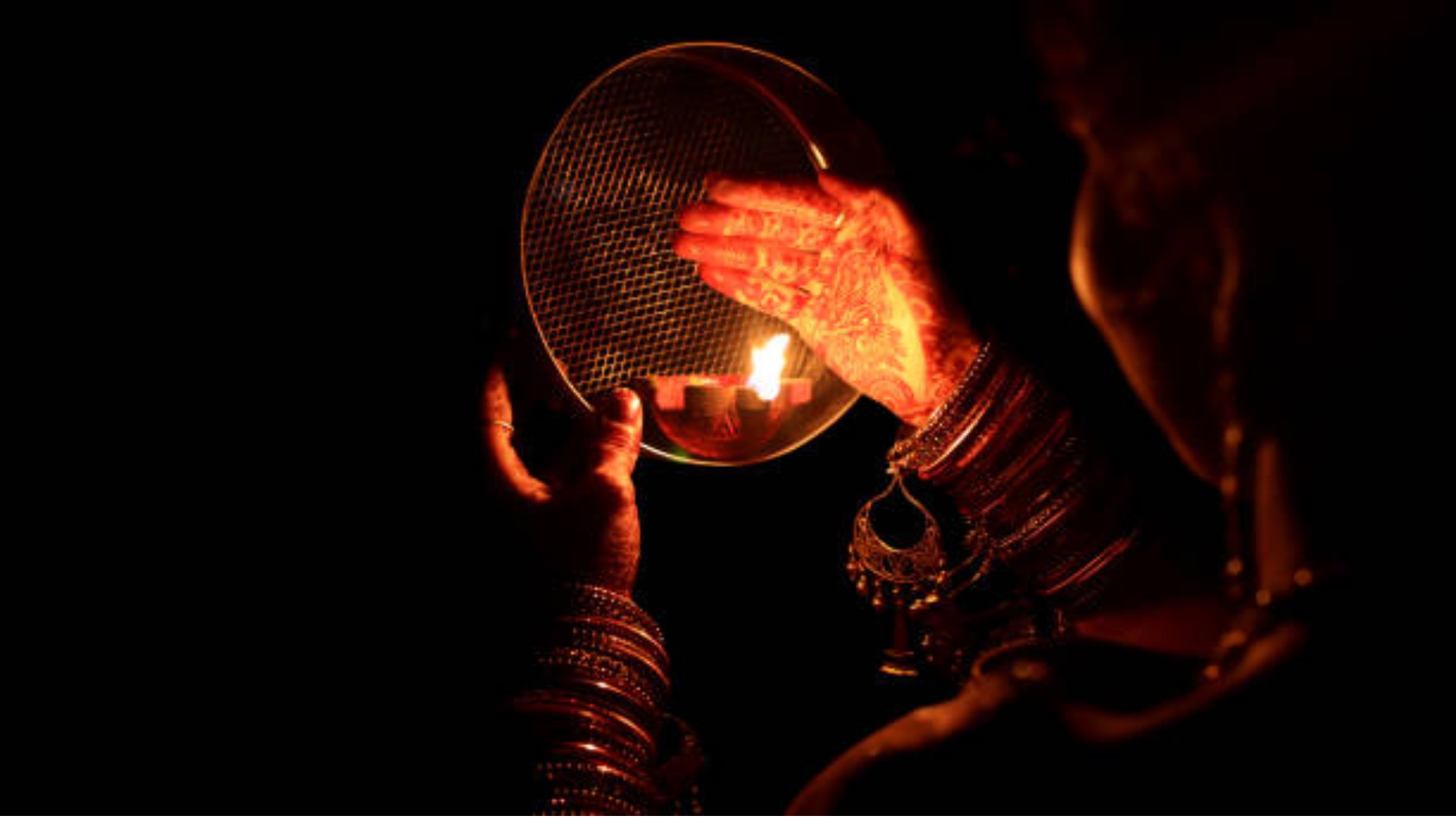
In China, the Mid-Autumn Festival is still celebrated today. Families gather under the full moon, eat mooncakes, and light lanterns—giving thanks for unity, harvest, and harmony. It’s a reminder that celebration can be spiritual even without ceremony.
Shared Threads in a Web of Traditions
Despite cultural differences, many moon practices echo each other in theme and meaning:
-
Agriculture & the Moon: Many traditions plant during the waxing moon and harvest during the waning. The growing light is seen as nourishing growth, while the fading light supports release and rest.
-
Feminine Energy: The moon is widely seen as a symbol of feminine power—cyclical, nurturing, intuitive. From Artemis in Greece to Chandra in India, lunar deities often embody the divine feminine.
-
Beginnings & Endings: Around the world, new moons represent seeds, intentions, and fresh starts. Full moons are a time of celebration, insight, and often letting go. Whether you’re burning a letter or speaking your truth in circle, you’re participating in an ancient rhythm.
Modern Magic: How We Practice Today
Some cultures have carried their traditions forward unchanged. Others have evolved. And many of us have created new practices rooted in old wisdom:
-
Traditional Revivals: In Japan, Tsukimi (moon viewing) blends poetry, nature, and offerings of rice dumplings. In Indigenous communities, moon ceremonies still honor ancestral teachings—though adapted for modern times.
-
Secular Celebrations: Some holidays, like the Mid-Autumn Festival or Western harvest festivals, are now more cultural than spiritual. But the moon remains central, reminding us of shared history.
-
New Age Blends: Today’s moon circles—especially in Western countries—often include meditation, intention-setting, and creating moon water. These rituals honor the moon’s energy while blending global traditions into something fresh and accessible.
-
Science & Spirit: Many now understand the moon both spiritually and astronomically. We track her phases on apps, understand her gravitational pull—and still, we feel her mystery. That’s the beauty of it: the sacred and the scientific can coexist.
Why We Keep Looking Up
There’s something comforting about knowing that no matter where you stand in the world, someone else is also standing under that same moon—praying, dancing, crying, celebrating.
In my own circles, I often say: We don’t gather to worship the moon. We gather to remember ourselves—our cycles, our connection, our sacredness.
And perhaps that’s the real reason lunar rituals have lasted so long. The moon doesn’t just light the sky—she helps us illuminate ourselves.
 Join Us Under the Moon
If you’re in the San Diego area, come sit in circle with us. We gather twice a month—on the New Moon and Full Moon—to move, meditate, breathe, and honor the sacred in ourselves and each other.
You can find upcoming dates and register here: www.TheHeartCenteredBeing.com
Let’s remember together. 