Dream Healing: Ancient and Modern Approaches to Receiving Healing in Dreams
For as long as humans have dreamed, we’ve turned to our sleep for something more than rest. In the quiet of the night—when the mind softens and the veil thins—dreams have served as portals to dream healing. Long before we had therapy offices or MRI machines, our ancestors lay down in temples, in the wild, or beside sacred fires, trusting their dreams to show them the path to wholeness.
The Ancient Art of Dream Healing
In Ancient Greece, those seeking healing would make pilgrimages to the temples of Asclepius, the god of medicine. These temples weren’t just places of worship—they were sanctuaries for healing through “dream incubation.” After purification rituals and sacred offerings, people would sleep in these spaces, hoping to receive a dream message from the divine. Dream priests—keepers of a sacred lineage—would interpret the symbols, guiding each seeker toward the root of their illness and the medicine within.
Ancient Egyptians practiced something similar. Their sleep temples honored deities like Serapis and Isis, and dreams were considered divine messages offering precise guidance on healing—often spiritual, emotional, or physical in nature.
And across Indigenous cultures around the world, dreams were never “just dreams.” They were lifelines—direct communication with ancestors, spirits, and the unseen forces of nature. Native American healers, in particular, looked to dream symbols to diagnose illness, receive visions, and reconnect with lost parts of the self.
Modern Dream Healing: Revisiting the Sacred in a New Light
Today, we may not have to journey to a distant temple, but the essence of dream healing remains alive—and it’s undergoing a renaissance.
In Jungian psychology, dreams are seen as messengers from the unconscious—images and stories carrying the wisdom of the soul. When we work with these dreams in therapy, journaling, or guided practices, we often uncover buried emotions, past trauma, and long-forgotten inner truths. And through that uncovering, we heal.
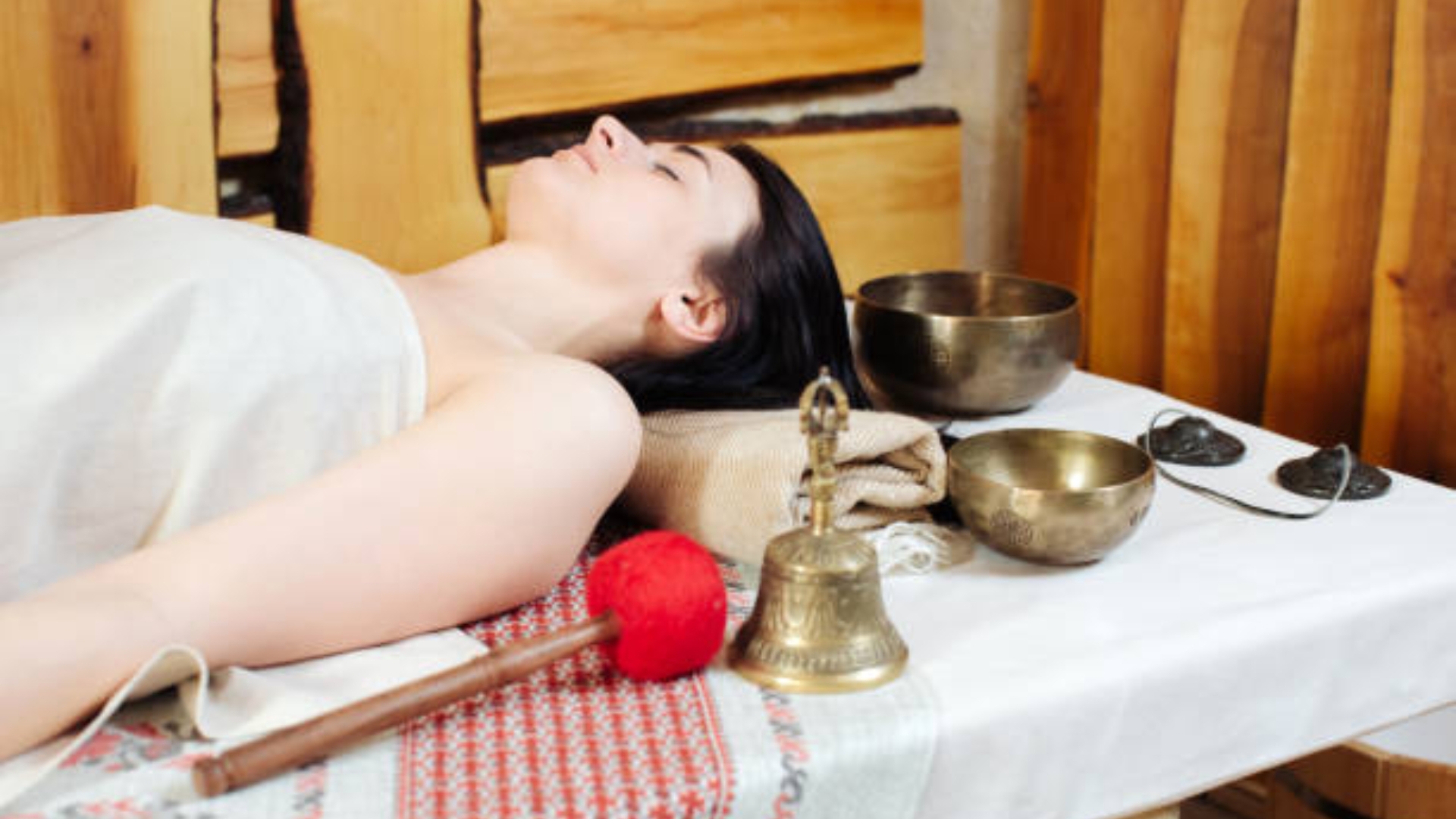
Contemporary versions of dream incubation are now practiced with simple intention-setting before sleep. You might light a candle, offer a prayer, or write a question in your journal before resting. The key is receptivity—being open to what your inner world may reveal while you sleep. And when you awaken, you write it all down. No matter how strange, symbolic, or subtle—it’s all part of the conversation your soul is having with you.
Some healing modalities now integrate dreams into mind-body medicine. Practitioners recognize that dreams influence our physiology, our stress responses, even our immune system. When dreams offer resolution or peace, the body often follows suit.
Why Dream Work Matters Today
At the heart of both ancient and modern approaches is this shared truth: dreams connect us to something greater. They offer access to the parts of ourselves we often overlook—the intuitive, the spiritual, the archetypal. In dreams, we meet our inner healer, our shadows, and our guides. We remember that not all healing is linear. Some of it happens in mystery, in stillness, and in the language of symbols.
Dreams teach us to listen deeply—beyond logic—and to trust what comes through when we’re finally quiet enough to receive it.
Tantric Integration Tip:
Before you sleep tonight, ask your heart what it needs. Write a short note to your subconscious: “I am open to healing in my dreams. Please show me what I need to see.” Then pay attention. Trust the process. Healing doesn’t always come in the form we expect—but it always finds a way.
If you’ve experienced healing through dreams—or you’re curious to explore—let’s talk.
I weave dreamwork into my Tantra-based coaching and healing sessions to support deeper integration.
Visit www.TheHeartCenteredBeing.com to learn more or schedule a private session.